

The Impact of Color in the Workplace
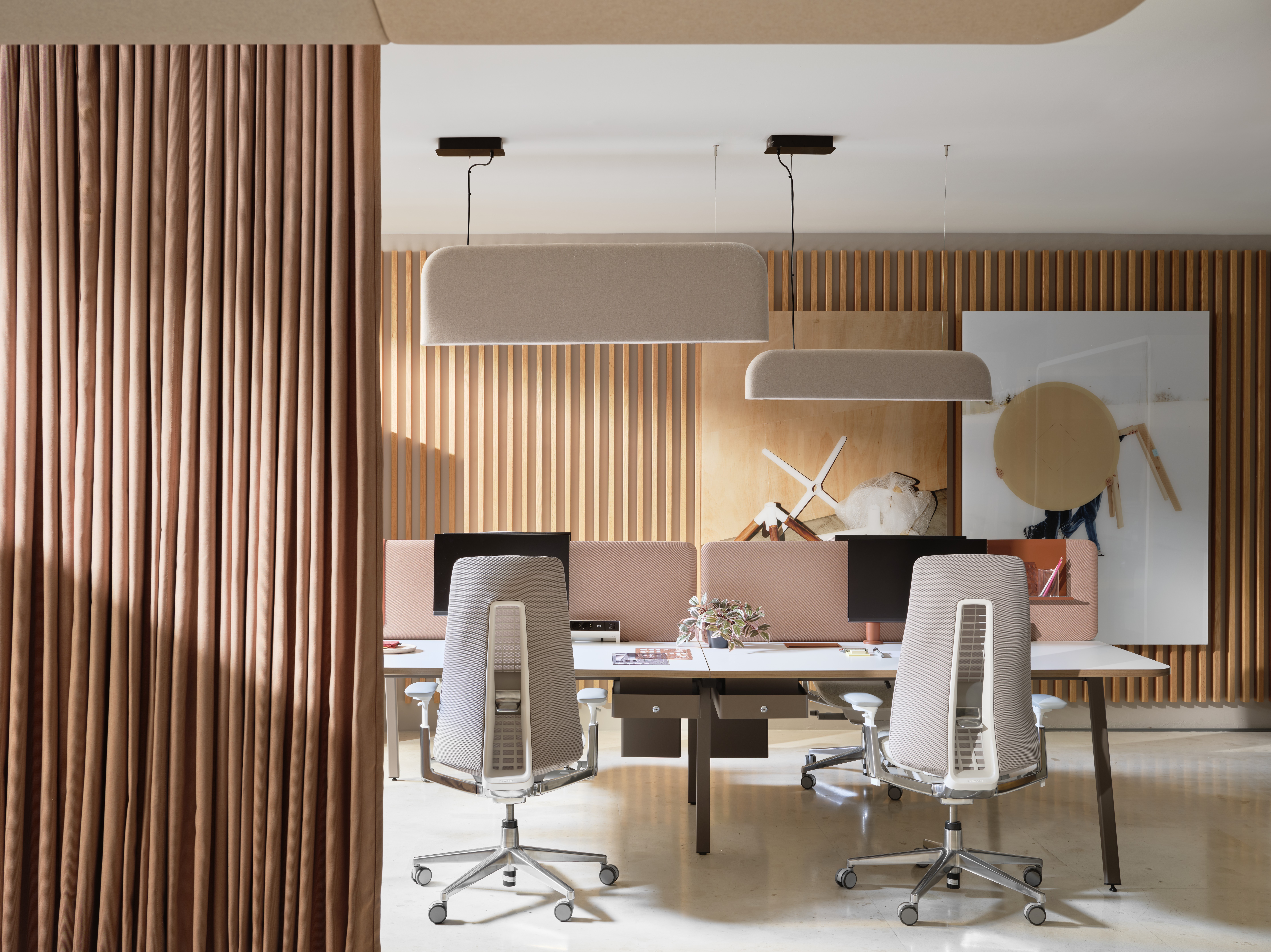
For business owners, office managers, and others seeking ways to improve productivity and company culture while reducing stress and burnout in the workplace, there are resources galore. AI assistants, project management software, and communications platforms make all sorts of promises about their positive impacts on employee well-being.
Choosing an office color scheme might not sound as exciting or futuristic, but both studies and firsthand accounts have shown that color can go a long way toward improving a working environment. The right color, or combination of colors, in an office space can stimulate creativity, boost productivity, calm nerves, encourage collaboration, and otherwise set a mood that benefits both individual team members and the organization as a whole.
How Does Color Affect a Workplace?
Studies have shown that color affects the mind on a number of levels, likely from some combination of personal experiences, cultural experiences, and innate survival instincts. Color psychology in the workplace impacts daily decision-making in conscious ways, such as what we choose to wear, and subconscious ways, such as how we interpret road markings.
Find the Right Colors to Improve Productivity
The impact of color in the workplace goes beyond the particular hues chosen. It extends to the way those colors are presented: how vivid they are, how the light strikes them, even how different colors interplay with one another. Pattern, sheen, transparency, and lighting color temperature all play a role.
For example, loud colors and patterns are known to stimulate creativity for some, but may be distracting or stressful for others. Dim, warm lighting makes areas feel more comfortable, while crisp white or blue lighting makes it easier to concentrate on screens.
Balancing Calm & Productivity at Work
Because different color schemes have different effects on team members, it’s important to strike a balance between calming elements and stimulating elements. Not only does this set employees up for success but, in open office spaces, it makes it possible for employees to find and work in the spaces that make the most sense for them.
Adjustable light settings make it even easier for team members to find the right space. For larger workspaces, color schemes can be a key element in wayfinding, allowing employees and visitors alike to get from Point A to Point B without worrying about getting turned around.

How Colors Impact Neurodiverse People
Well-thought-out color schemes are particularly useful for employers working to accommodate neurodivergent people in the space, as neurodivergent individuals are often especially affected by their environment.

Balancing Calm & Productivity at Work
Each family of colors carries its own set of documented effects on visitors and employees in the space.
- Blue: Blue, potentially the most widely accepted color, tends to be associated with technological advancement, which makes it a good choice for embracing and being inspired by technology. It’s also associated with calm, making it good for high-stress areas, and it may even help team members stay awake, as some shades of blue suppress melatonin production.
- Yellow: Along with golden hues, yellow is associated with energy, joy, warmth, and emotional grounding, turning a work setting into an uplifting environment and helping employees handle stress. It’s a decent choice for greeting areas, and it works well as a secondary color in a space.
- Red: Attention-grabbing red shades are bold and expressive, sparking excitement and energy. Red is known to improve blood flow and increase heart rate, and can even inspire hunger, though it’s also associated with danger, so it should be used selectively.
- Green: Known to be one of the colors that puts the least stress on both the eyes and brain, green often fosters agreement and may improve alertness, making it a wise choice for meeting rooms and call centers.
- Purple: Purple, along with pink and similar colors such as lavender and lilac, is associated with introspection and emotional strength. These shades are often deeply felt, and can empower team members in their work.
- Orange: Orange shades, as well as darker yellows and lighter reds, often bring forth emotional intensity, engaging the senses and inspiring creativity and resilience.
- Brown: Brown is a good choice for spaces that feel restorative and emotionally connected, thanks in large part to its association with nature. The mind also associates it with professionalism and reliability.
- White: Interpreted by the mind as clinical, white can be a risky color by itself, potentially reducing productivity and causing errors or even daydreaming. As an accent color or a means of reflecting light to brighten up a space, though, it can be more reliable.
It’s worth noting that color choices don’t overwrite other environmental factors. For example, calming colors won’t entirely remove stress from a high-stress work environment; they can only influence it.
How King Business Interiors Finds the Right Color Schemes for Businesses
The team at King Business Interiors has had an enormous amount of practice in commercial office design, and has a long history of filling knowledge gaps when working with even the most experienced office management professionals. Color is just one of the many factors our talented designers take into consideration when planning out a space that maximizes employee productivity and well-being, and sets up businesses for success.
Create the Ideal Working Environment
Reach out to King Business Interiors today to get started on devising an office environment that minimizes stress, appeals to visitors and employees alike, and sets a foundation for future success.


