

Office Flooring Guide: Comparing Commercial Vinyl, Carpet Tile, and Sheet Flooring
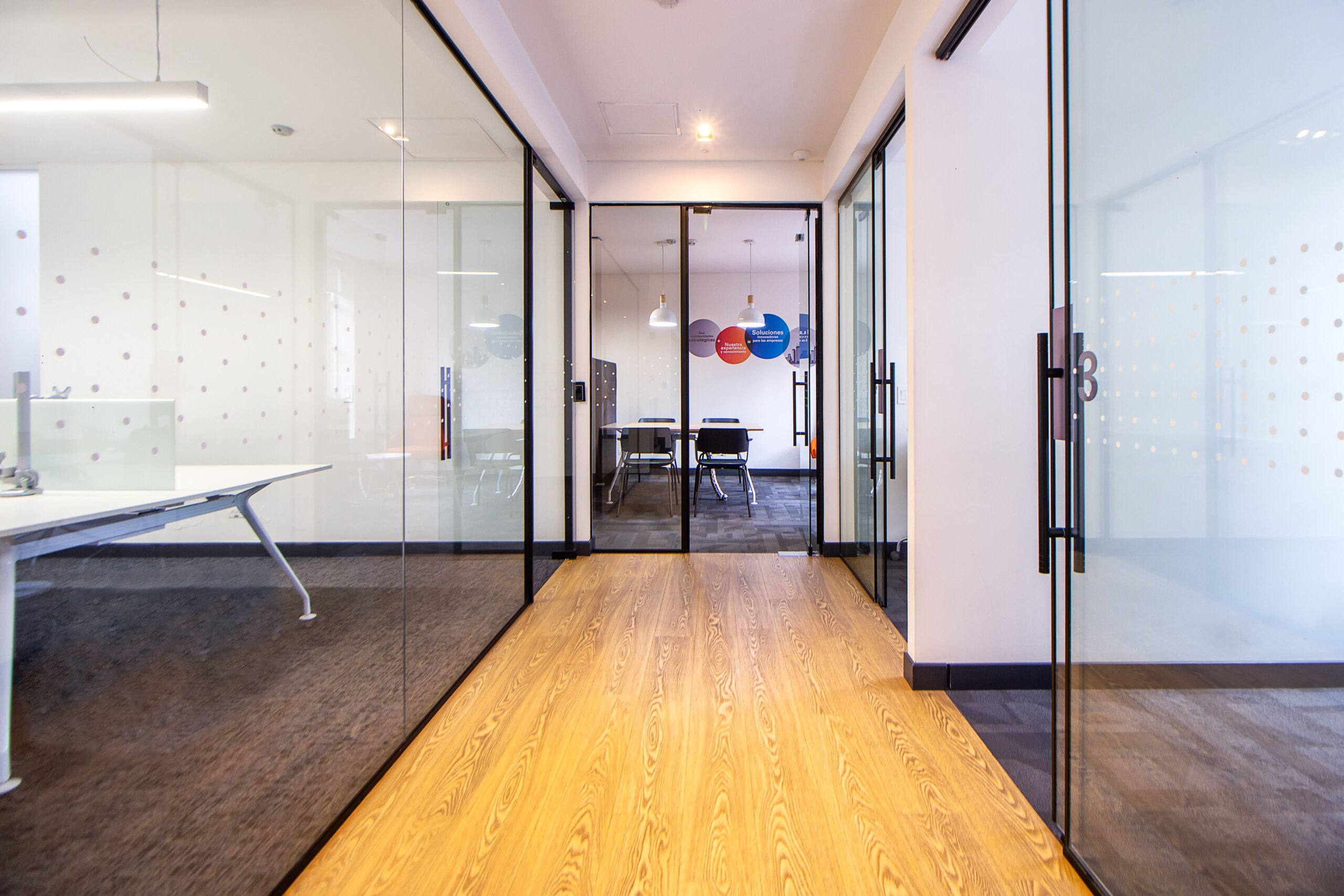
Choosing office flooring is about more than picking a color that works with the furniture. A coffee stain by the break room that won’t come out, a walkway worn down after a couple of years, or an open office where every footstep carries can all become expensive problems.
The right flooring helps prevent those headaches. It can make a workplace quieter, simplify cleaning and hold up to daily traffic. The trick is knowing which material makes sense for each part of the office.
Key Takeaways
- Commercial vinyl flooring: Durable, easy to clean and a good fit for entrances, corridors and break rooms.
- Commercial carpet tile: Helps absorb sound in workstations, private offices and conference rooms. Individual tiles can be replaced when damaged.
- Commercial sheet flooring: Offers a continuous surface with fewer seams, making certain products well suited to spaces that need frequent cleaning.
- Mix materials by zone: Most offices benefit from using different flooring in high-traffic, work and wet areas.
- Coordinate flooring with furniture: Planning both together helps avoid installation delays and last-minute layout changes.
Planning an office renovation or build-out? This guide breaks down the main flooring options, where each works best and what to consider before making a decision.
In This Article
- Why Office Flooring Matters
- Commercial Vinyl Flooring (LVT and Plank)
- Commercial Carpet Tile
- Commercial Sheet Flooring
- Matching Flooring to Each Zone
- How King Plans Flooring and Furniture Together
Why Office Flooring Matters
Flooring affects how a workplace looks and feels every day. It influences noise levels, cleaning routines, comfort and how well the space holds up over time.
Sound is one of the biggest considerations in an open office. Hard surfaces reflect sound, while carpet helps absorb footsteps and some room noise. That difference can matter in workstations and conference rooms where people need to concentrate or have conversations without competing with surrounding activity.
Maintenance matters, too. A floor that looks good on installation day still needs to stand up to rolling chairs, foot traffic, spills and regular cleaning. Choosing a material based on how the space is actually used can help reduce repairs and avoid replacing flooring before its time.
For most workplaces, the best solution isn’t necessarily one material throughout the building. It’s choosing the right surface for each zone.
Commercial Vinyl Flooring (LVT and Plank)
Commercial vinyl flooring is a popular option for offices because it combines a hard-wearing surface with a wide range of design choices. Luxury vinyl tile (LVT) and luxury vinyl plank can replicate the appearance of wood, stone or concrete while offering a surface that’s relatively easy to maintain.
Where it works best: Reception areas, entrances, corridors, break rooms and other spaces that see frequent foot traffic or occasional spills.
Maintenance: Regular sweeping and damp mopping, following the manufacturer’s care recommendations. When comparing products, look at the wear layer, commercial-use rating and cleaning requirements rather than choosing on appearance alone.
LVT can also help define different areas of a workplace. A wood-look plank might create a warmer feel in reception, while a contrasting pattern can distinguish a corridor or shared space from nearby workstations.
King Business Interiors has experience using LVT to balance appearance with the demands of busy common areas. At LC RiverSouth, a Columbus apartment community, our team installed herringbone LVT in the common areas. The project demonstrates how flooring patterns can add visual interest while providing a practical surface for spaces with regular foot traffic.
For an office project, the same design considerations apply: the finish should complement the furniture and interior while meeting the performance requirements of the space.
Commercial Carpet Tile
Commercial carpet tile comes in individual squares or planks rather than one large roll. That modular format makes it easier to work with different layouts and replace individual sections when needed.
Where it works best: Open workstations, private offices, conference rooms and other areas where sound absorption and underfoot comfort are priorities.
Maintenance: Regular vacuuming and periodic deep cleaning, depending on traffic and the manufacturer’s recommendations. If a tile becomes stained or damaged, it can often be replaced individually. Keeping spare tiles from the original batch can make future repairs easier and help maintain a consistent appearance.
Carpet tile is especially useful in open-plan offices, where footsteps and chair movement can contribute to background noise. It also offers flexibility in design, with different colors, patterns and installation directions available to distinguish work areas without adding physical partitions.
The main consideration is choosing a product suited to the expected traffic and cleaning needs. Entryways and heavily used corridors may need a different specification from private offices.
If carpet is on your list, our article 5 Qualities to Consider When Carpeting Your Office explores additional factors to consider when selecting office carpet.
Commercial Sheet Flooring
Commercial sheet flooring is supplied in wide rolls, creating a continuous surface with fewer seams than many tile or plank products. Options include sheet vinyl, linoleum and rubber flooring. Although these materials can serve similar purposes, they have different properties, installation requirements and maintenance needs.
Where it works best: Healthcare environments, laboratories, restrooms, utility areas and other spaces where frequent cleaning or moisture resistance is important. The best fit depends on the product specification and the demands of the space.
Maintenance: Follow the manufacturer’s cleaning and care instructions. Fewer seams can make routine cleaning simpler, but the level of moisture protection depends on the material, seam treatment, installation quality and transitions around walls and fixtures.
Some sheet vinyl systems allow seams to be heat-welded to create a more continuous, moisture-resistant surface. This can be useful in environments with specific hygiene or water-management requirements. However, not all sheet flooring is waterproof or suitable for every wet area, so it’s important to confirm the product’s intended use.
One trade-off is repair. Depending on the material and the extent of the damage, patching sheet flooring can be more involved than replacing an individual carpet tile or vinyl plank. That’s why product selection and proper installation matter, particularly in areas that see frequent cleaning or heavy use.
Matching Flooring to Each Zone
Choosing flooring becomes easier when you start with how each area of the office functions. Instead of selecting one surface for the entire building, consider where people walk, work, meet and clean up after spills.
| Office Area | Flooring to Consider | Why it Works |
| Reception and entry | LVT or commercial entrance flooring | Supports a professional first impression and handles frequent foot traffic |
| Corridors | Commercial vinyl flooring or heavy-duty carpet tile | Suits regular movement through the building |
| Open workstations | Commercial carpet tile | Helps absorb sound and provides a softer surface |
| Private offices and conference rooms | Commercial carpet tile | Adds comfort and helps manage room noise |
| Break rooms | LVT or suitable sheet flooring | Provides an easy-to-clean surface for everyday spills |
| Restrooms and wet areas | Appropriate commercial sheet flooring | Certain products offer fewer seams and moisture-resistant installation options |
These are starting points rather than hard rules. The right choice depends on the product’s performance specifications, the amount of traffic, cleaning practices and the needs of the people using the space.
Don’t overlook the transitions. Where carpet tile meets LVT, the finished floor heights should be coordinated to help prevent trip hazards and create a clean visual transition. It’s also worth considering where furniture legs, desk chairs and rolling carts will sit before finalizing the flooring plan.
Thinking through these details early can prevent avoidable adjustments during installation.
How King Plans Flooring and Furniture Together
Flooring and furniture are closely connected during an office renovation. The furniture layout affects which areas need durable hard surfaces, where carpet can help with acoustics and how different flooring materials meet. The installation schedule matters, too: delays with one part of the project can affect everything that follows.
At King Business Interiors, we plan flooring and furniture as part of the same project. Our process starts with an on-site visit, followed by finish selections that work with the furniture layout and an installation schedule designed to keep the project moving in the right order.
After installation, King backs its installation work with a one-year warranty. We can also store replacement flooring products in our warehouse and schedule repairs during evenings or weekends when project requirements allow. If an office renovation involves retiring existing furniture, our Connecting the Dots program can help donate gently used pieces to Central Ohio nonprofits.
For businesses planning an office renovation or build-out, coordinating these decisions with one team can make the process more manageable, from the initial product selection through installation.
Planning Office Flooring in Columbus?
The right office flooring depends on how your team uses the space, the amount of daily traffic and the maintenance requirements of each area. Commercial vinyl flooring may be the right fit for busy walkways, commercial carpet tile can help make workstations quieter, and commercial sheet flooring may suit areas that need frequent cleaning.
King Business Interiors helps businesses plan flooring and furniture together, with options to suit different workplace needs and project requirements.
Explore our commercial flooring options or contact our team to discuss your space, budget and installation timeline.


